
 Children need hope, they need REWA
Ladakh Travelogue 2026
After a long time, I was back in Ladakh this year to support the work at the centres, hold discussions with the teams, assess problems, analyse needs and draw up an outlook for 2026 and 2027, including the plans and projects in the pipeline.
Rewa Society Leh
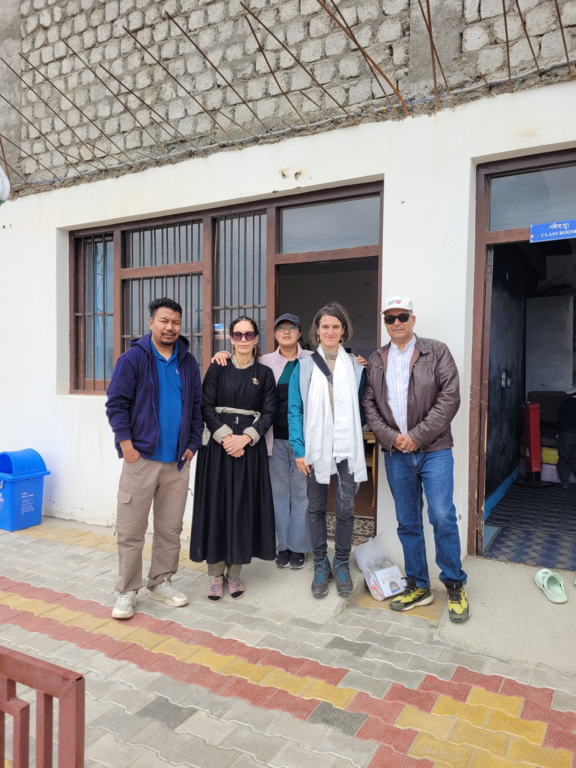
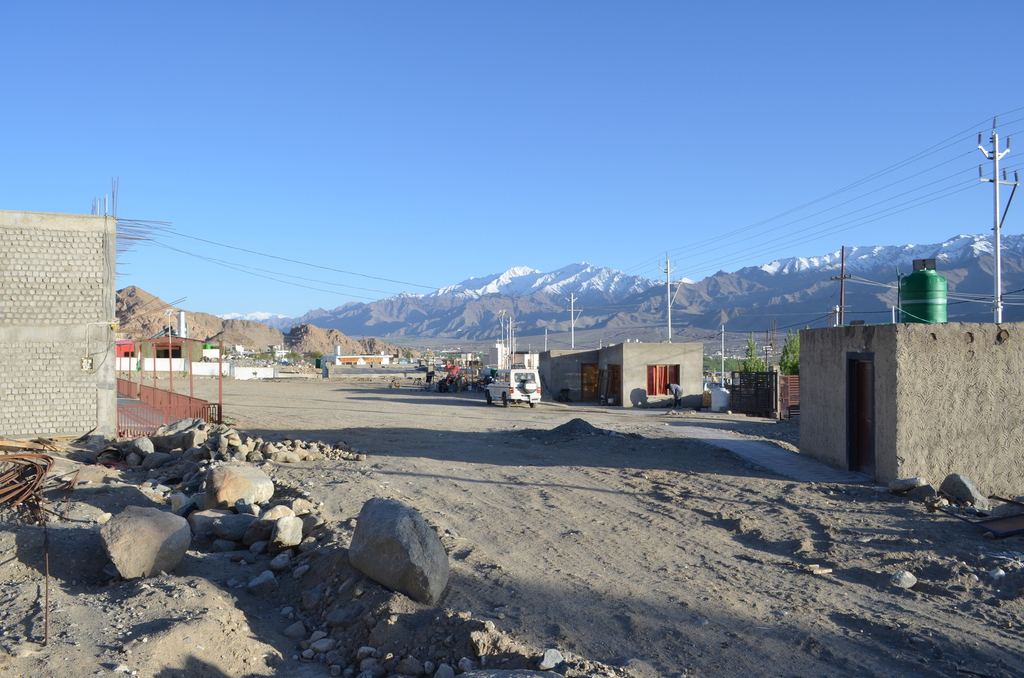
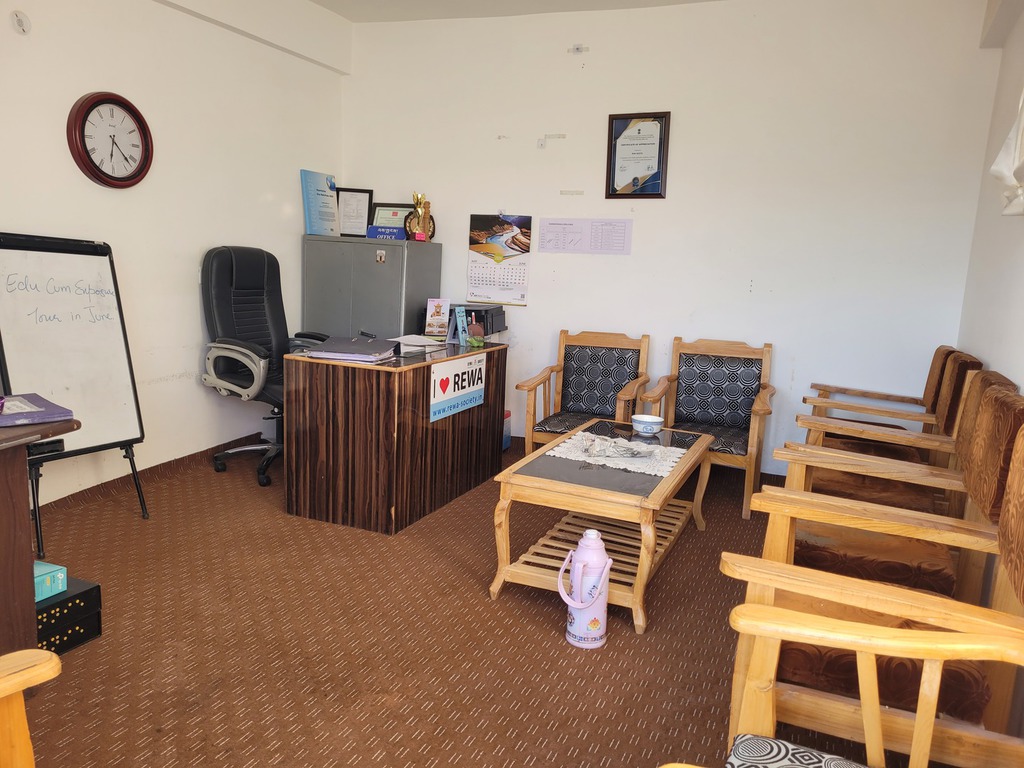
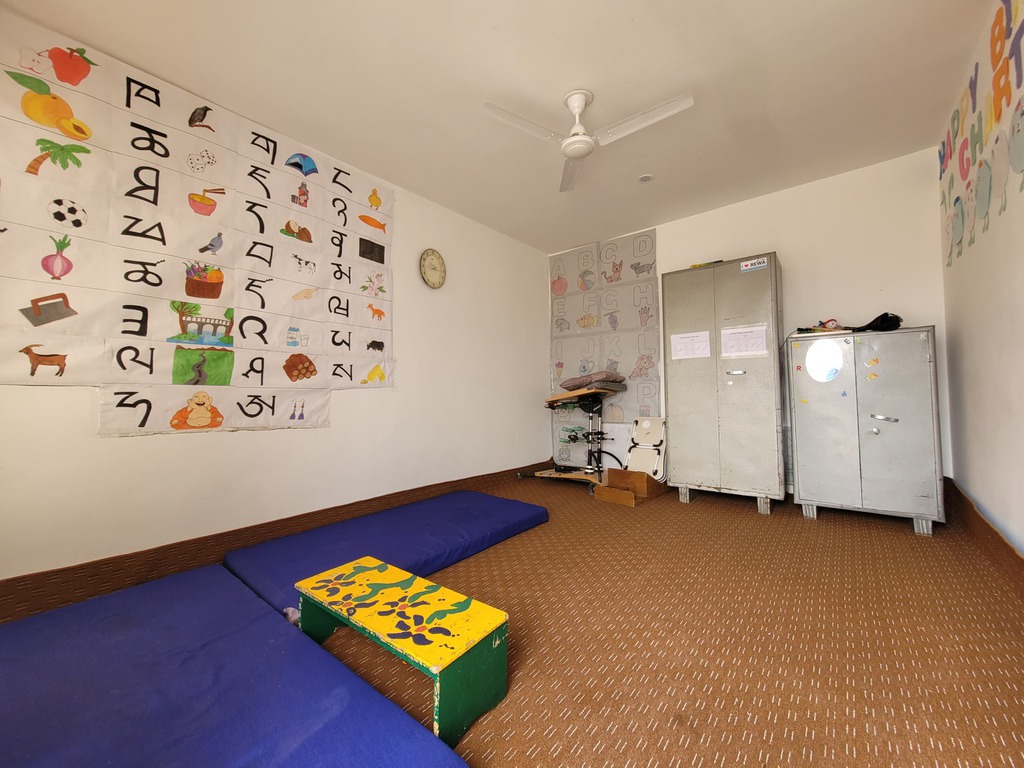
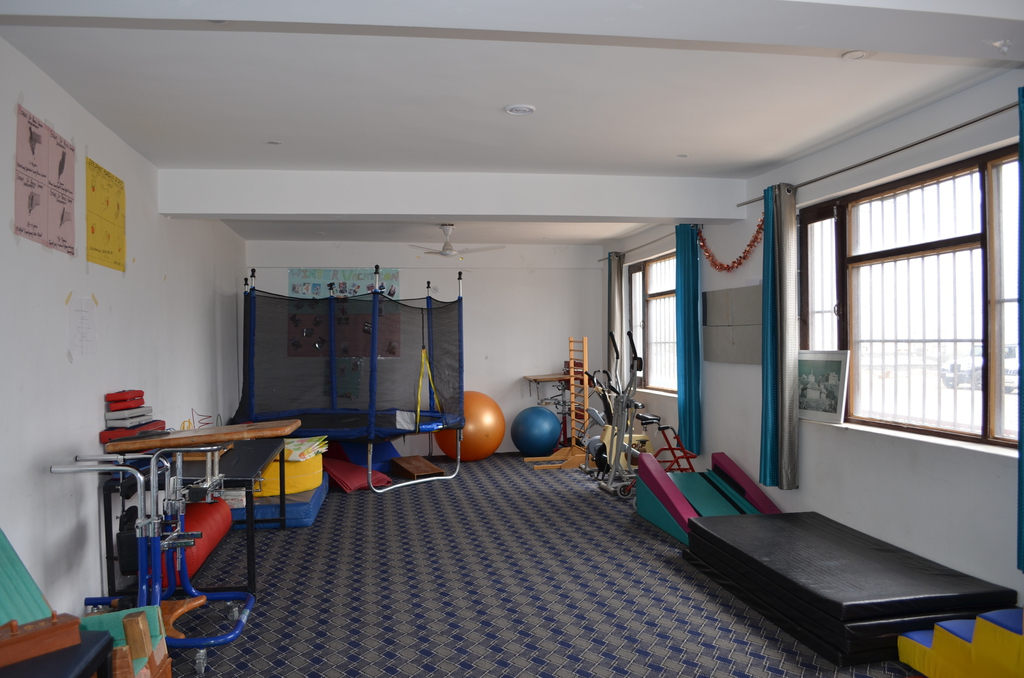
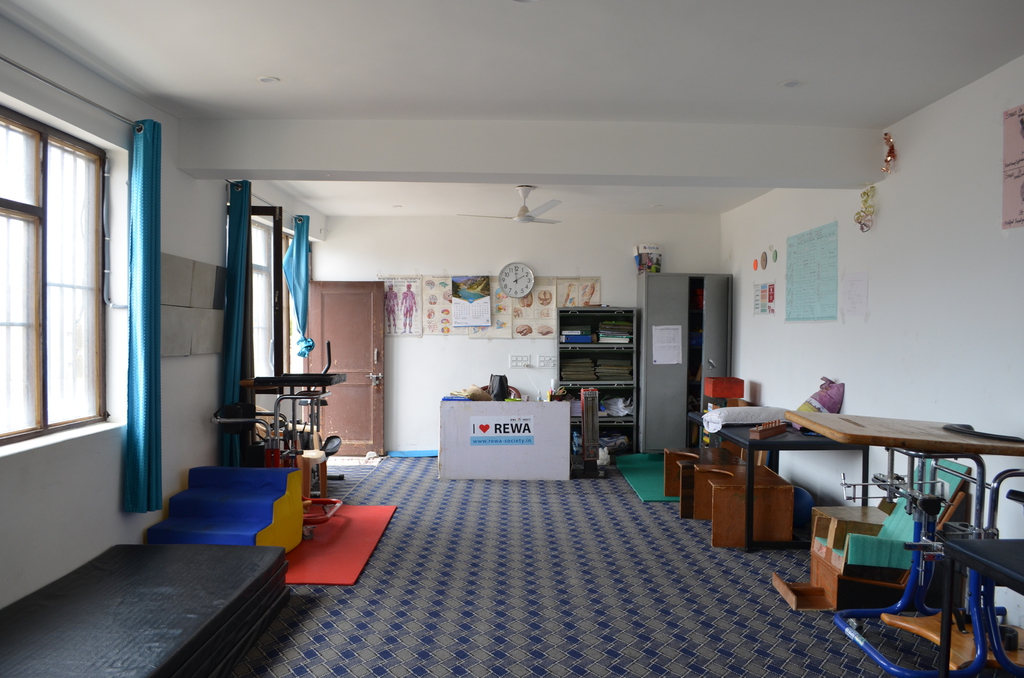
My first stop was Leh. There, I visited the Rewa Society Leh centre, which has been independent since 2024 and continues its work under its own management.
The transition to self-sufficiency and financial independence had not been easy in the first few months. Furthermore, many of the former staff members had left the team for various reasons.
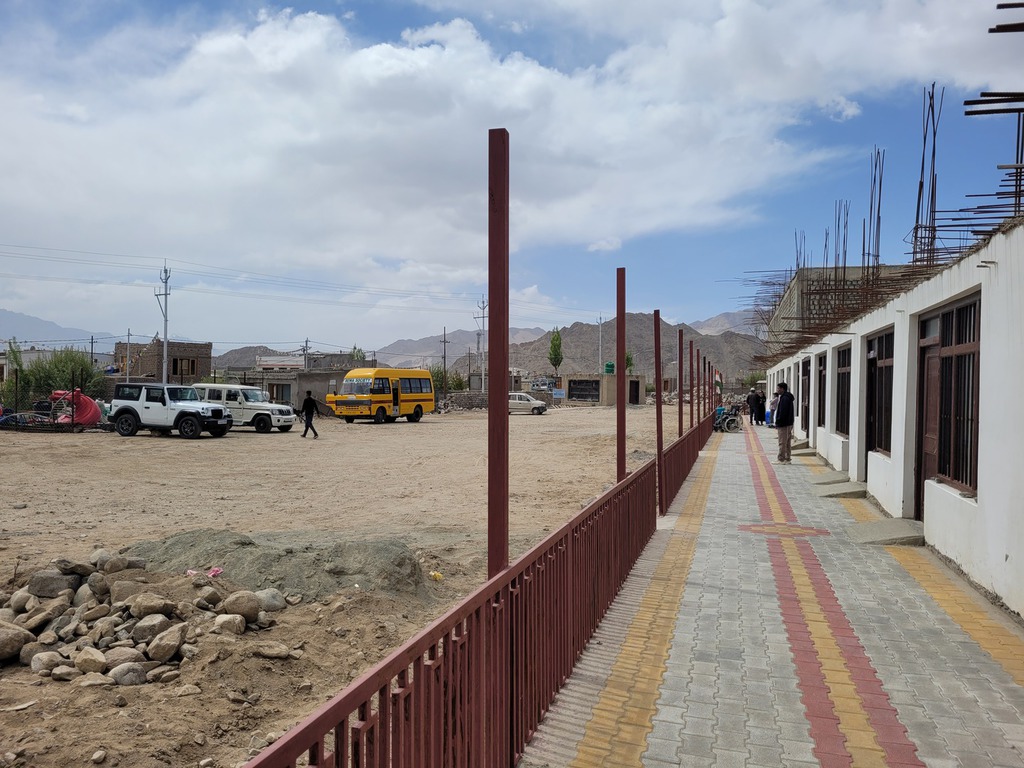
Fortunately, the situation has improved and plans are once again being drawn up to complete the buildings that had previously only been planned but not yet built (completion of the small row of shops facing the street, the inclusive school and the hostel).
The team currently consists of our long-standing and highly dedicated colleague Rinchen Angmo (physiotherapist) and two government-employed teachers (unfortunately with no experience in special and therapeutic education or inclusion). Once a week, a speech therapist from the public hospital comes to provide therapy.
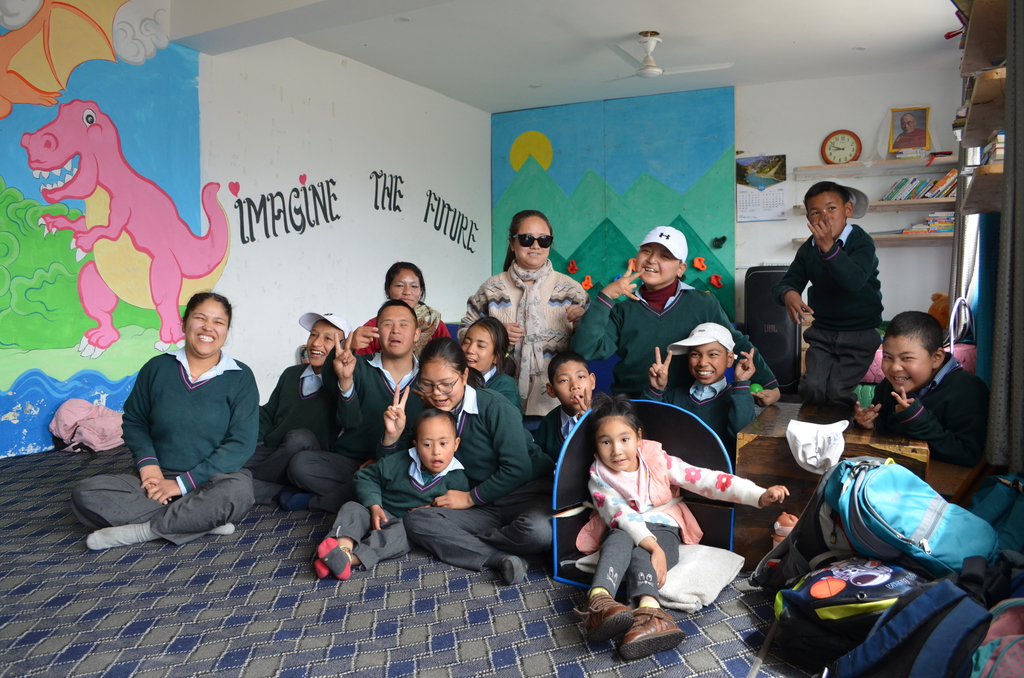
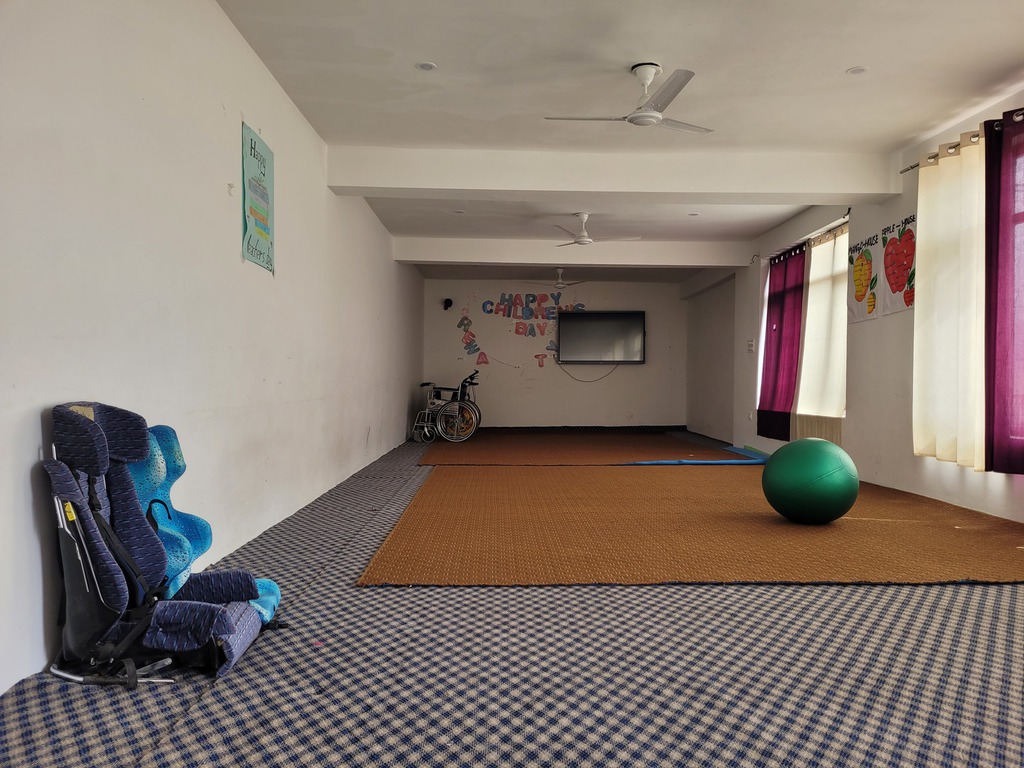
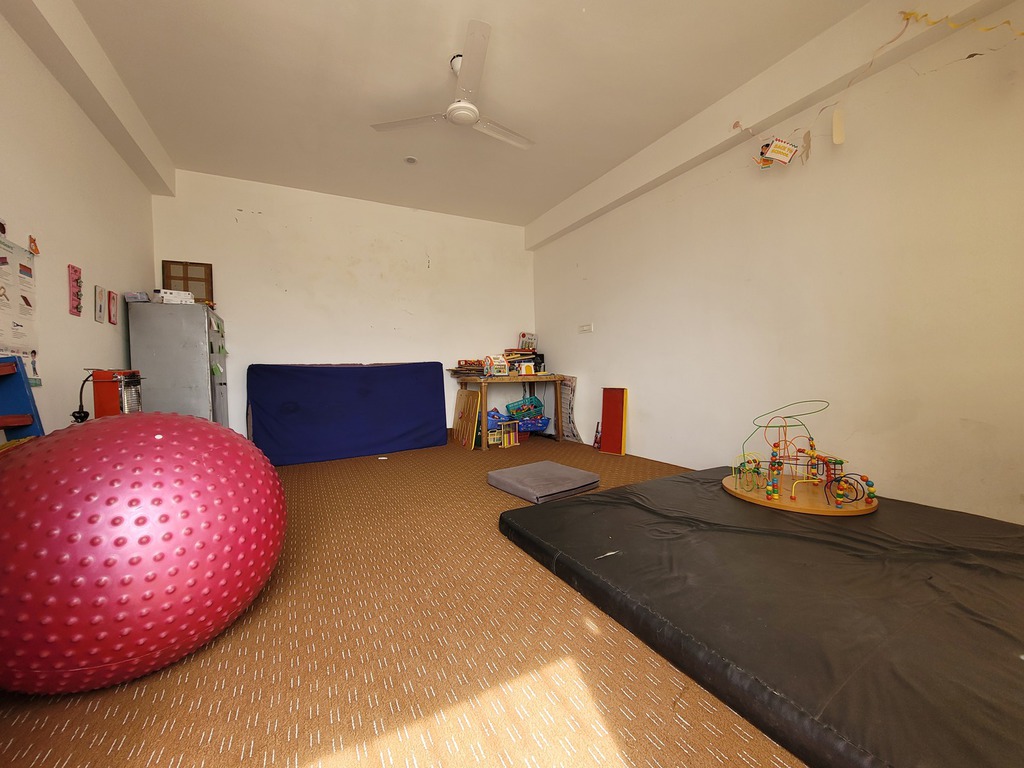
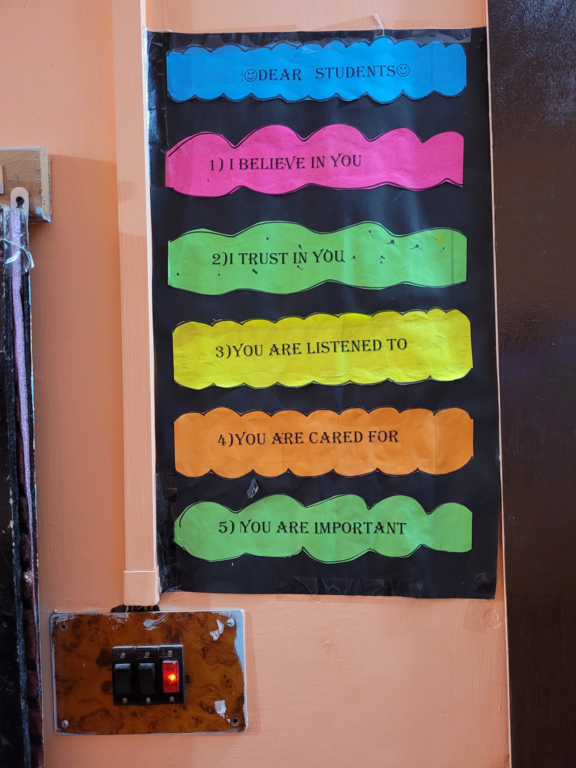
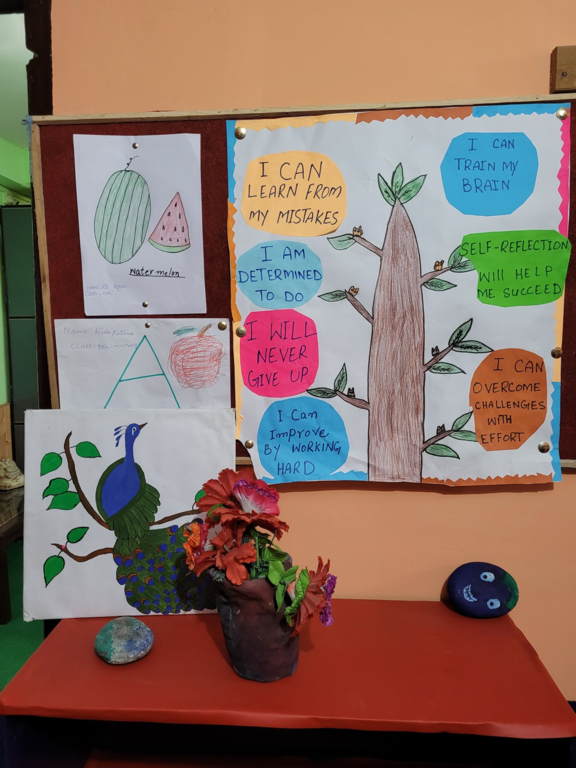
Twenty-four children are registered, twelve of whom were present during my visit. The atmosphere was cheerful and pleasant. The premises are well-equipped, well-maintained and actively used. There is an exchange with other schools and centres, and the children regularly go on joint outings.
A major wish of Rinchen and the team would be to receive professional support through our monthly online training sessions and from volunteer specialists from Germany (physiotherapists, speech and language therapists, special needs teachers, and therapeutic educators) to ensure the quality of their work.
It was wonderful to see that the team is continuing their work for the children!


Transport of therapy equipment and supplies for the new therapy rooms in Kargil
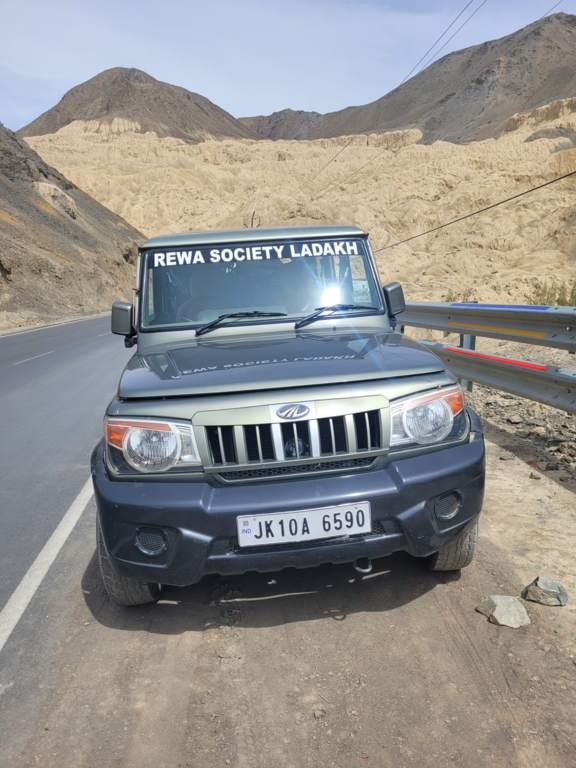
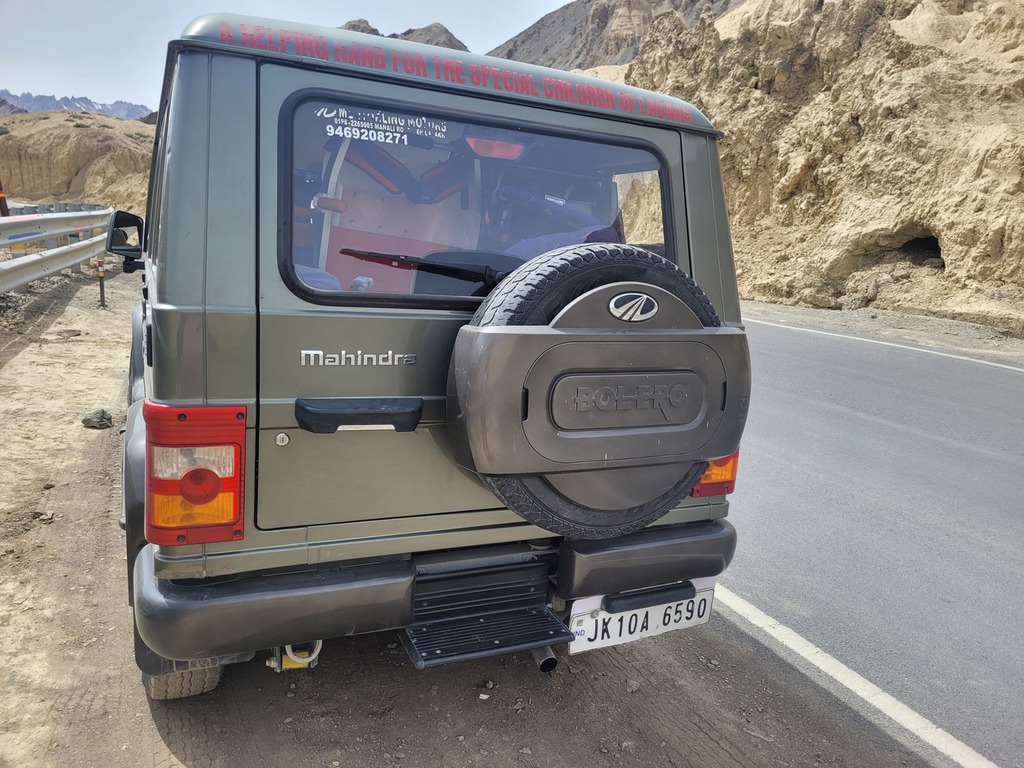
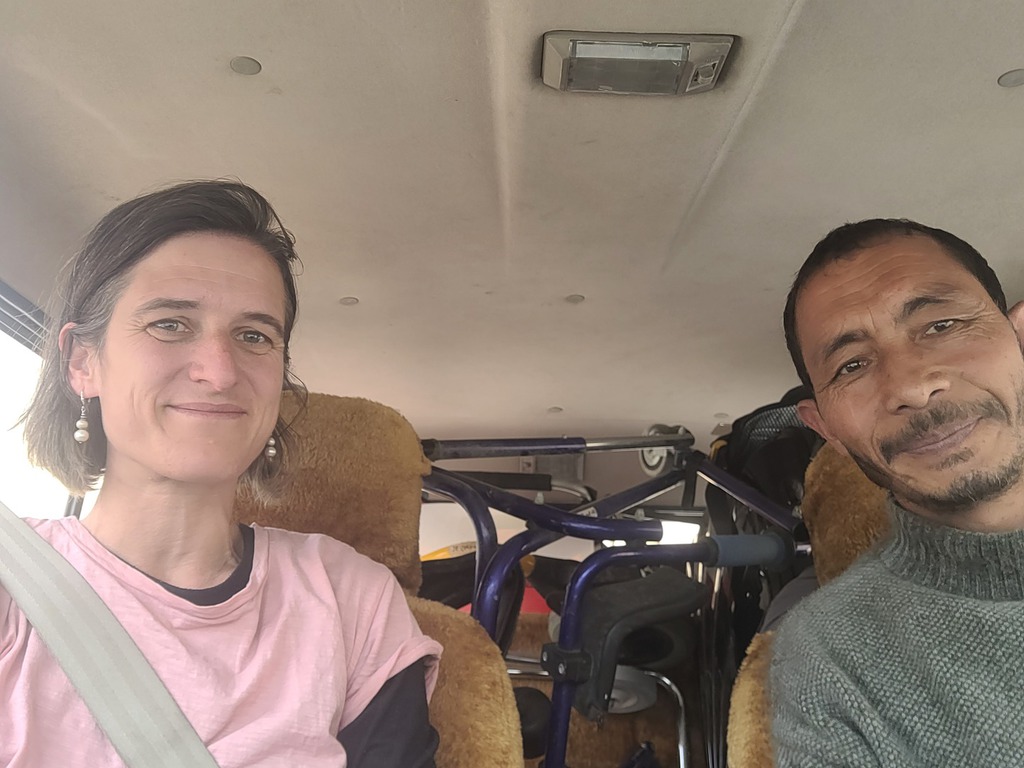
Before I set off for Kargil, I arranged for the transport of the therapy equipment and supplies that had found their way to Ladakh in 2019 as part of a large donation of materials, shipped in a large container. All these years, they had only been in use or stored in Leh, and it had not been possible to organise their transport to Kargil until now. We took some of them with us in my jeep from Rewa to KASCO Kargil on my way there; the remaining equipment and supplies were brought to Kargil in a second operation, organised by our volunteer Milena Bender.
Visiting Stanzin and Lobzang
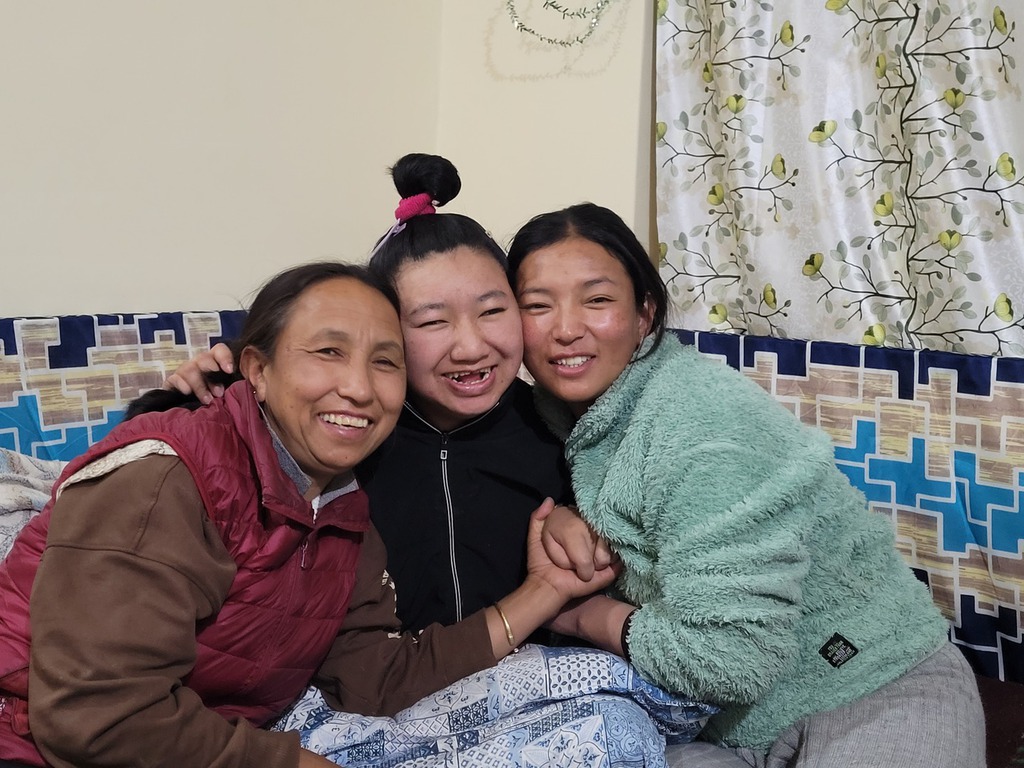
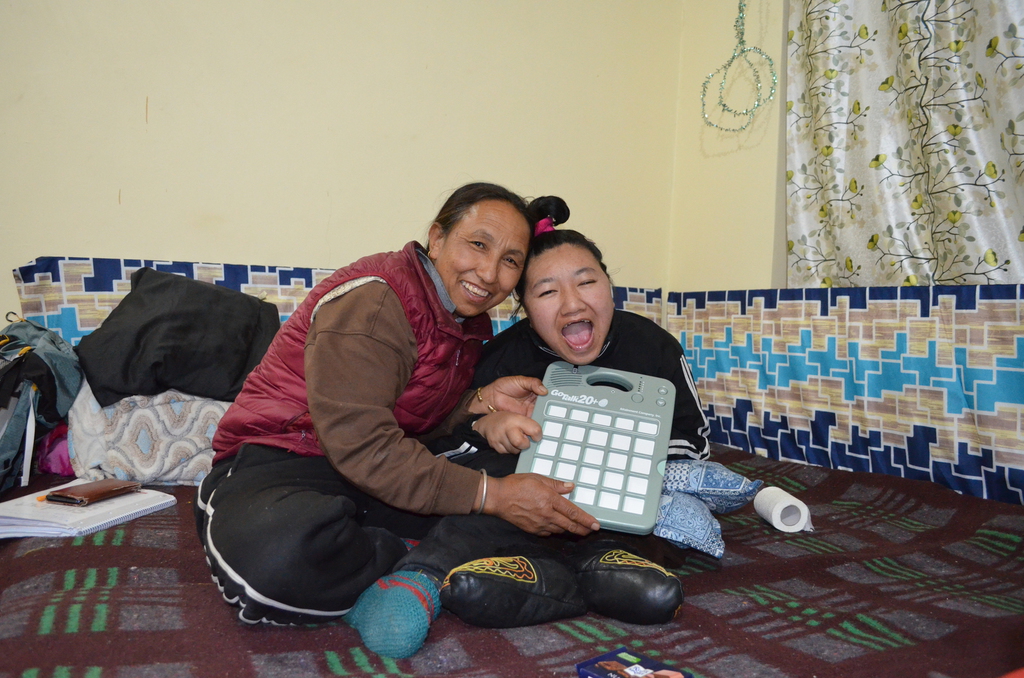
It was a great pleasure to visit Stanzin – the child for whom the whole initiative was founded – and her sister Lobzang. Lobzang is part of our sponsorship programme and is currently studying for a Bachelor of Education (a prerequisite for working in government institutions). She has a degree in rehabilitation science (BA and MA). She is currently on maternity leave. She will resume her studies after a seven-month break.
Stanzin has grown into a tall young woman who takes everything in with wide eyes and ears. She was absolutely delighted by my visit. To encourage and support her communication, we gave her a device (GoTalk20+), which uses Metacom symbols to select messages that have been recorded in advance and plays them back through a loudspeaker when a button is pressed. This is designed to enable communication for people who are unable to express themselves verbally.
Rewa na KASCO Kargil
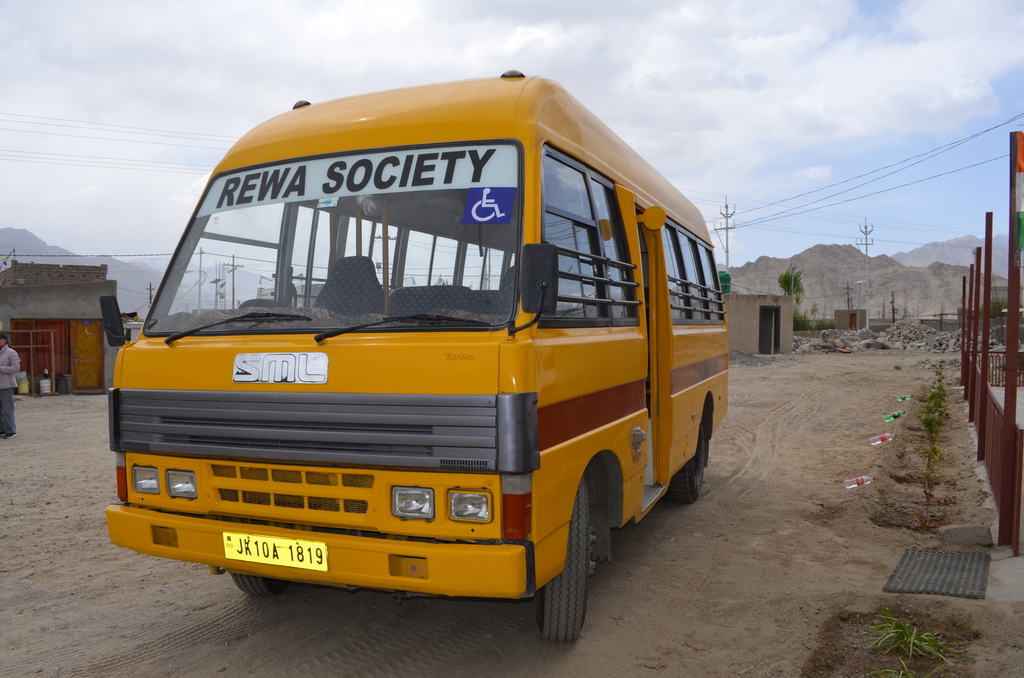
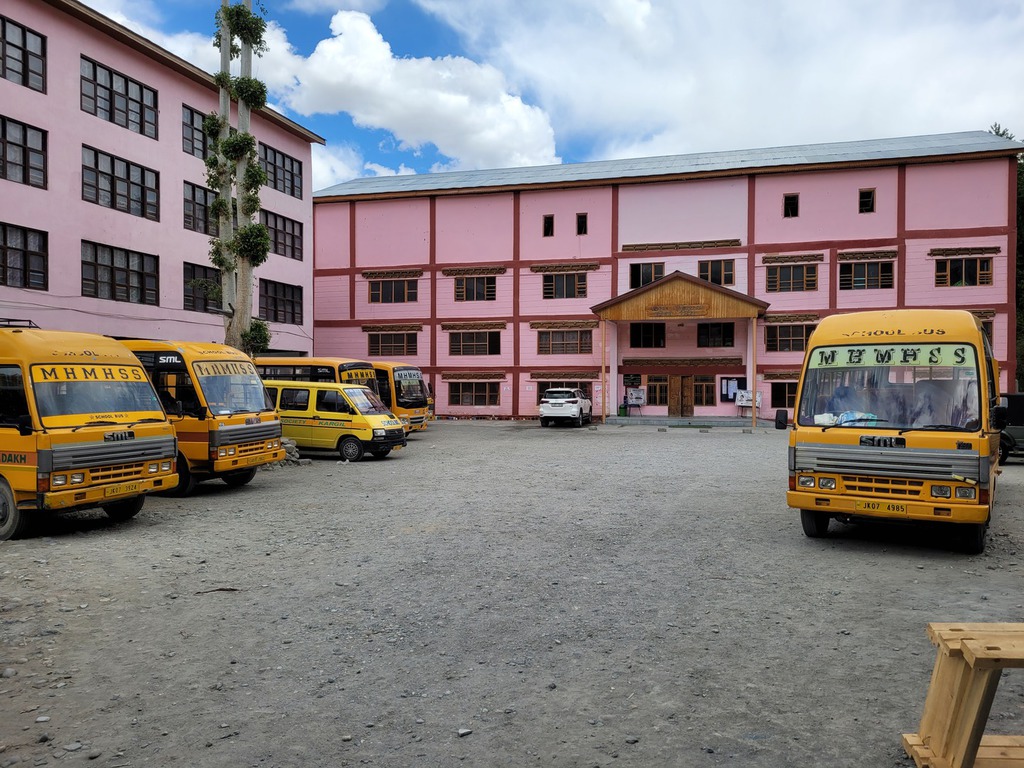
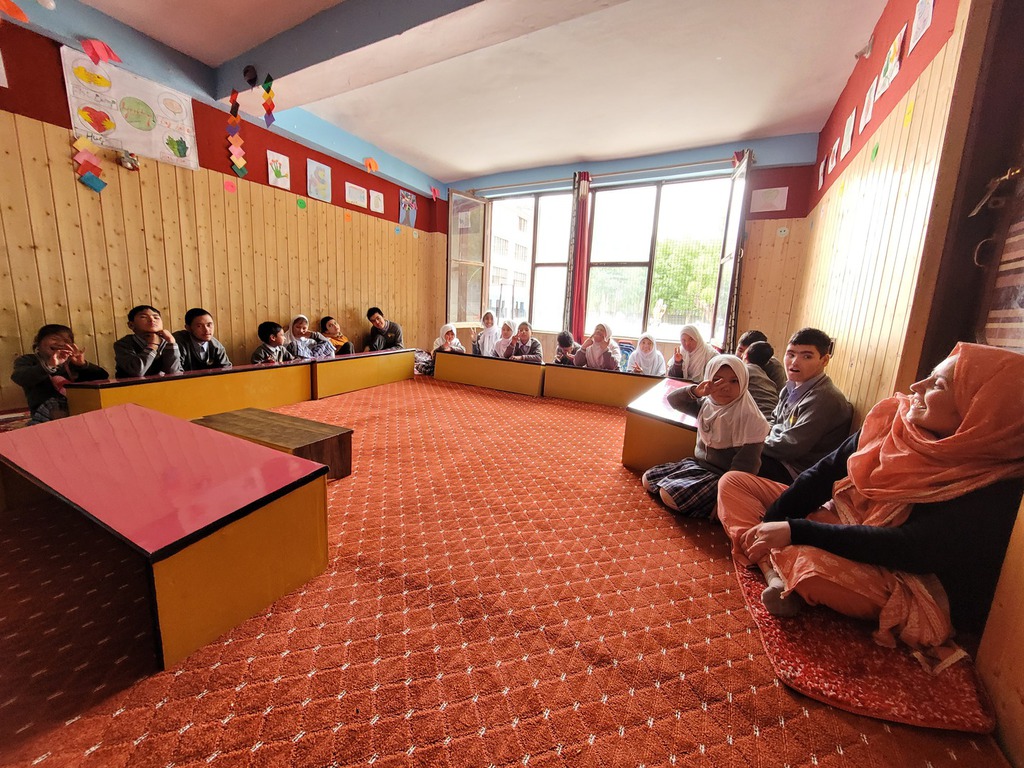
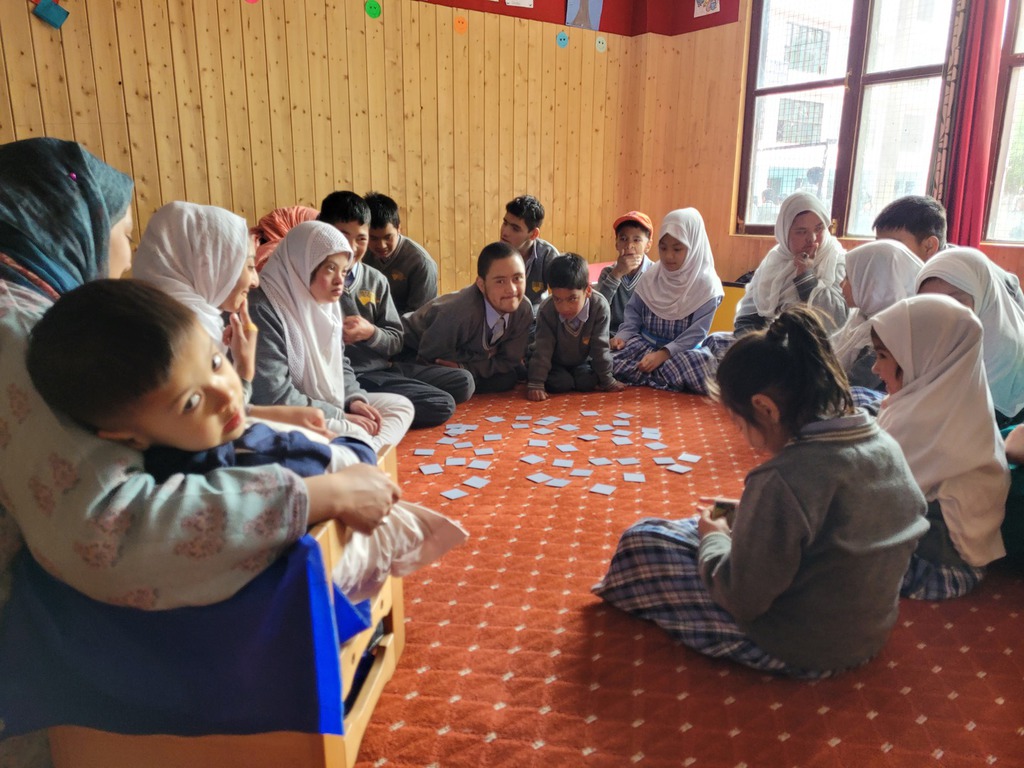
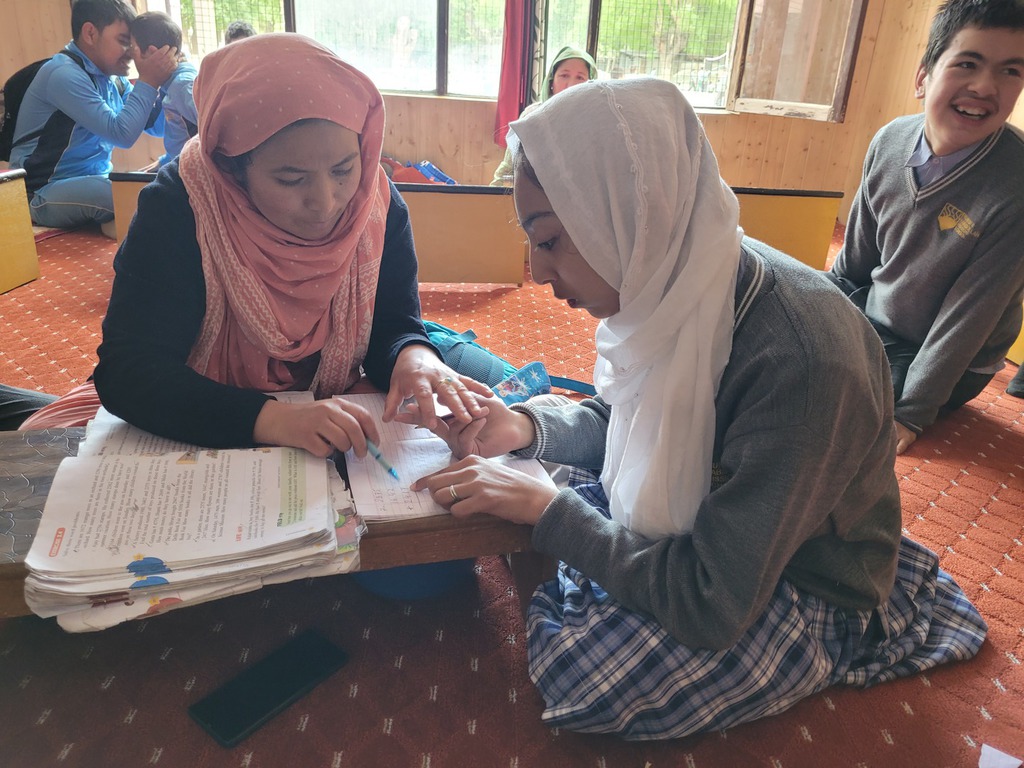
I spent the second half of my stay in Kargil. The centre is located on the premises of the Munshi Habibullah School and is quite large. Forty-seven children attend the school and receive therapy every day. Of these, 37 children attend the special educational needs class and 10 children are integrated into the mainstream classes at the Munshi Habibullah School as part of the inclusion programme. The children are picked up from home by the school bus or brought in by their families. At regular intervals (usually twice a week), the children are taken out of their lessons to receive individual support and therapy. Throughout the year, there are regular excursions and activities designed to encourage interaction with mainstream classes and the wider community. We report on these regularly on our website under the ‘News’ section.
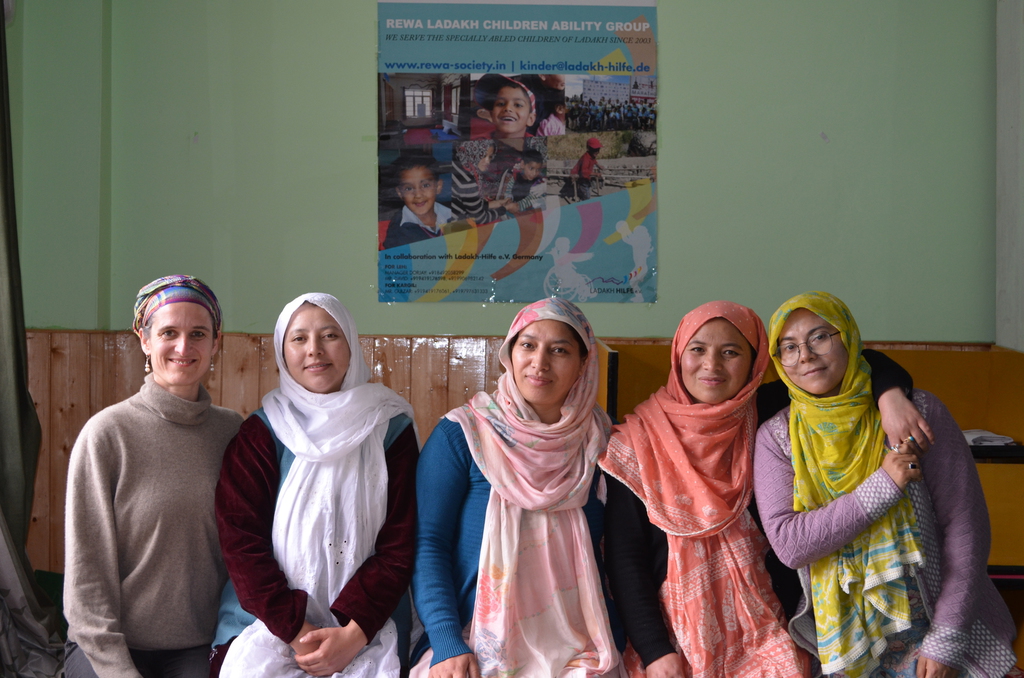
The team at Rewa na KASCO Kargil consists of three physiotherapists (Bilquis Fatima, Ameena Parveen and, until 31 May 2026, Farzana Akhtar; from 1 June 2026, Zahra Banoo) and two special needs teachers (Archo Fatima, Tohira Banoo), who are assisted in the classroom by two support staff (Fatima Nissa, Fatima Sugra). A cook (Hassina Banoo) provides the staff and some of the children with a hot lunch. The other children bring their own food. The children are driven by Rewa na KASCO’s driver (Abdul Hamid), who also drives the jeep during home visits.
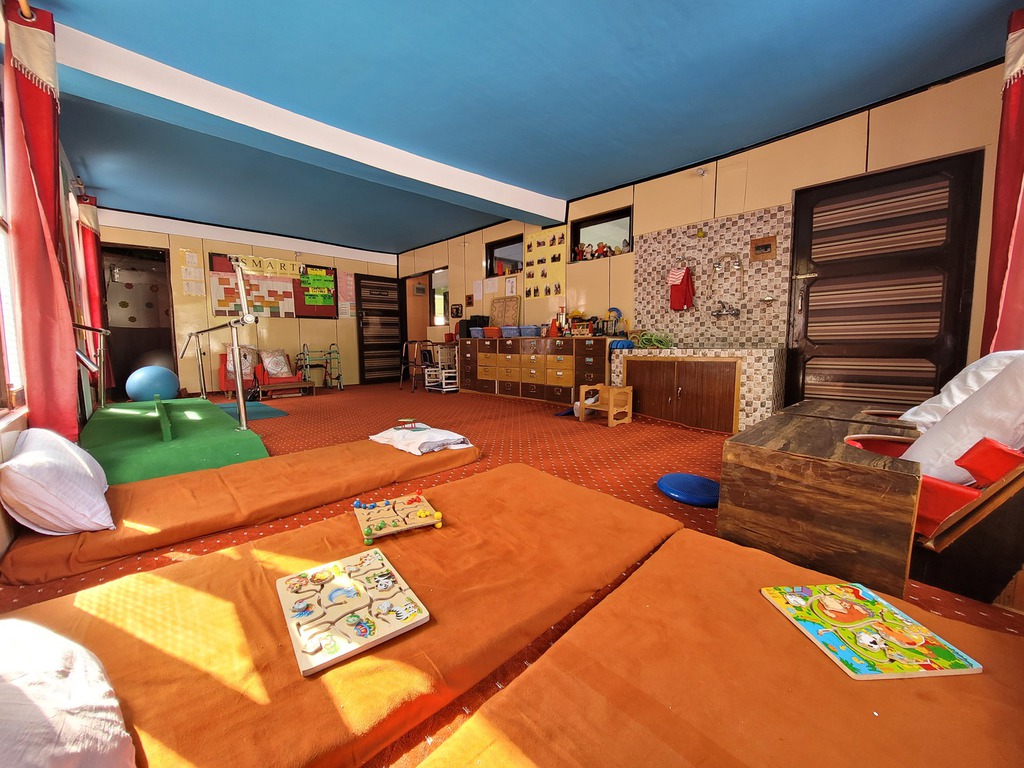
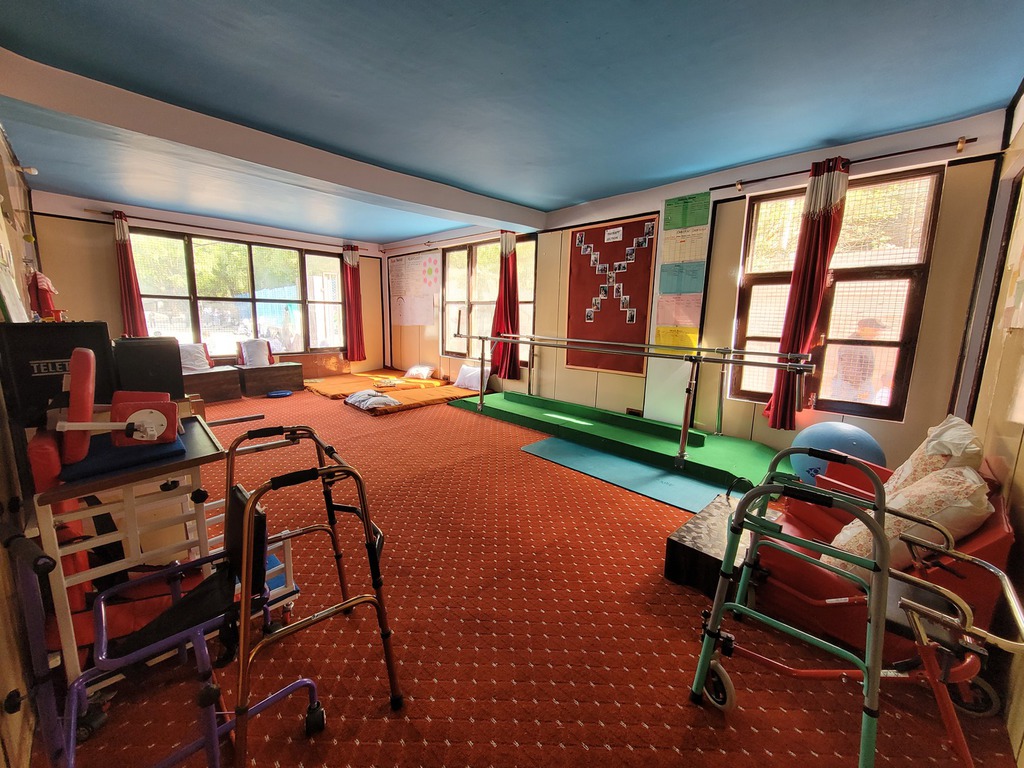
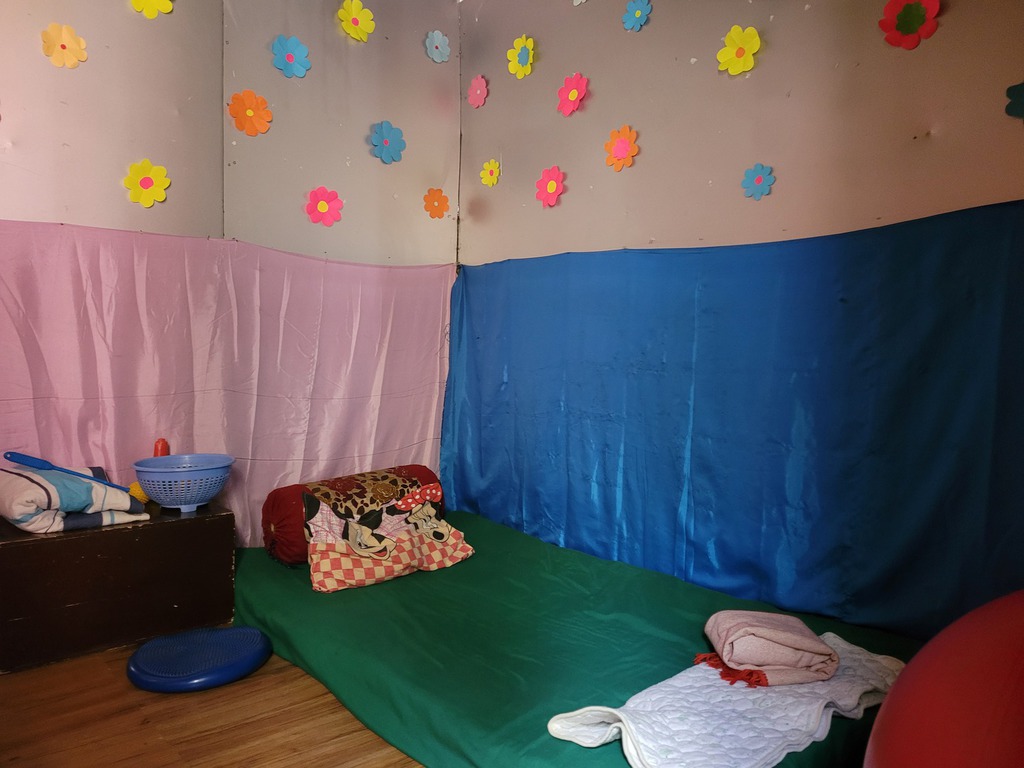
There is a therapy room, a classroom, a quiet room and a dining room with a kitchenette. Given the large number of children with varying support needs, the premises are insufficient to provide effective support and individualised, calm care. Nevertheless, the therapists and teachers manage to make the best possible use of them through their commitment and loving dedication.
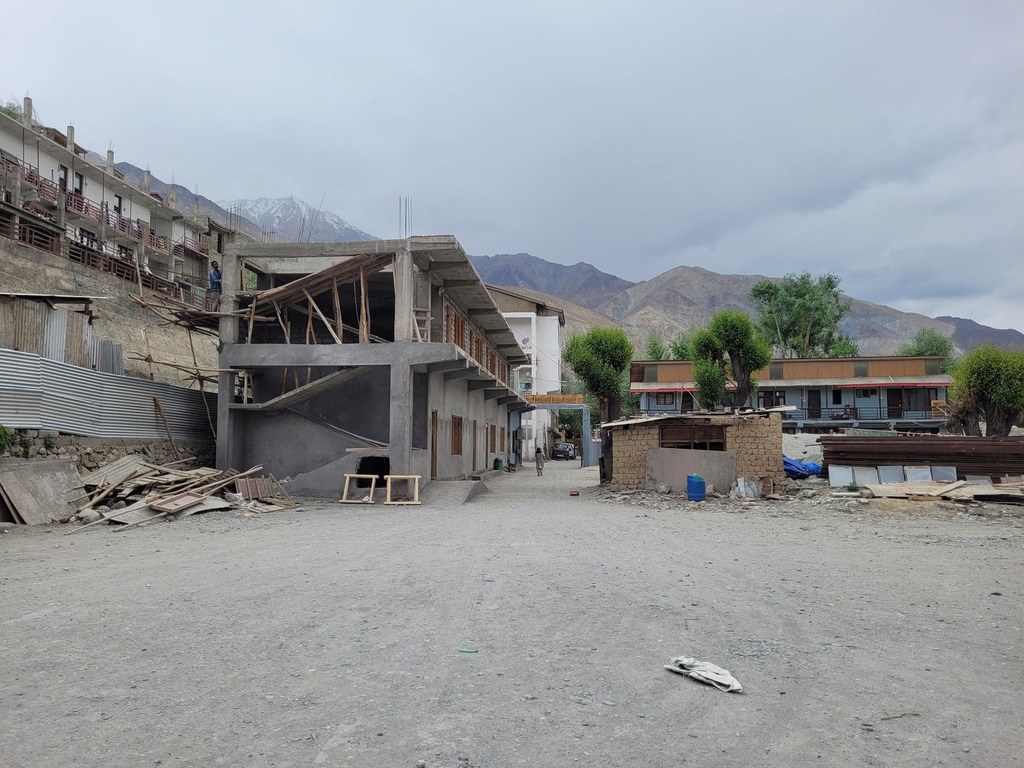
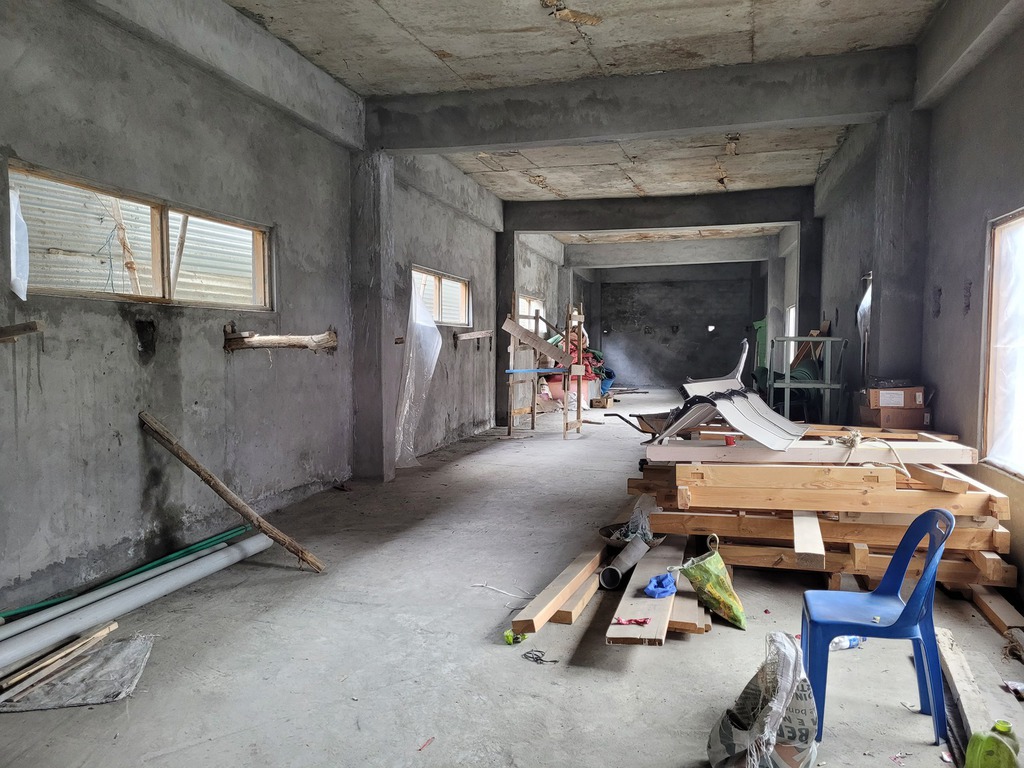
For these capacity reasons, a new, large therapy room is currently being built in an adjacent building, which can be divided into four spacious therapy rooms using movable walls. The current premises can then be converted into a total of three classrooms, making it possible to divide the children into three groups as required. This will significantly improve the quality of therapy and teaching.
In view of these upcoming changes, it is also clear that it would be beneficial to expand the team of specialist professionals. We discussed a wide range of possibilities and are keen to see what the future holds.
During my stay, I accompanied the children through their daily routines and was able to witness the joy and enthusiasm with which they took part in the activities. I was also able to identify areas where there is still a need for support and assistance, which we had not previously recognised or addressed.
In addition to the on-site activities, I also took part in home visits. Within a 22 km radius, children who, for various reasons, are unable to attend the centre regularly are usually visited by our therapists once a week.
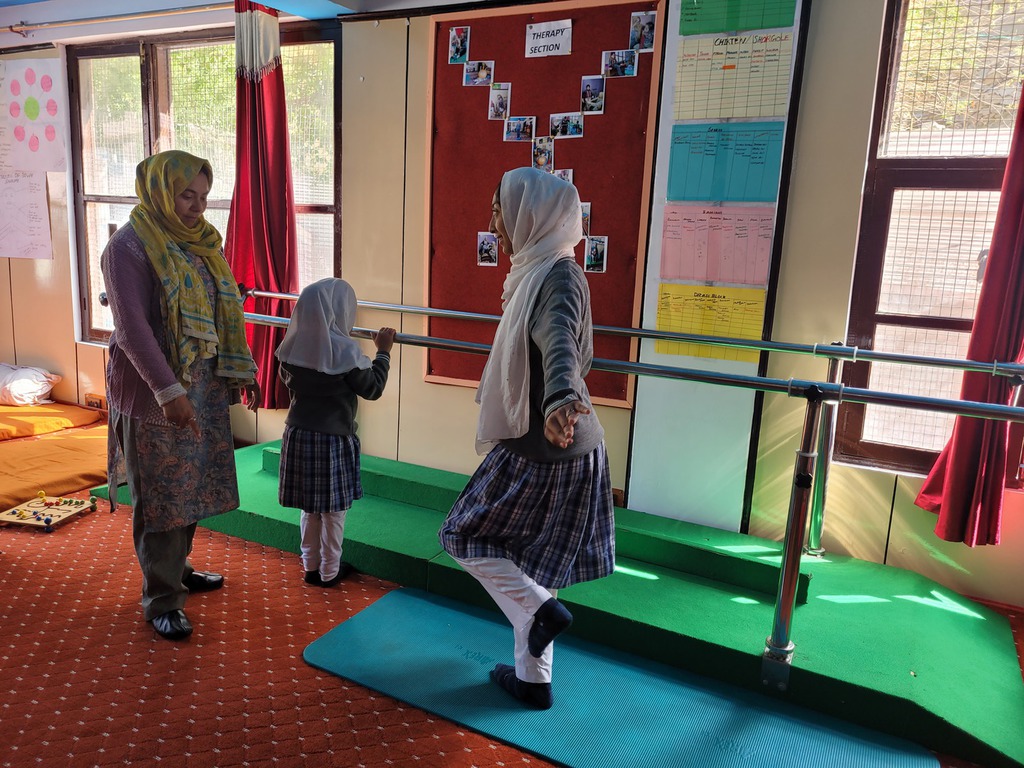
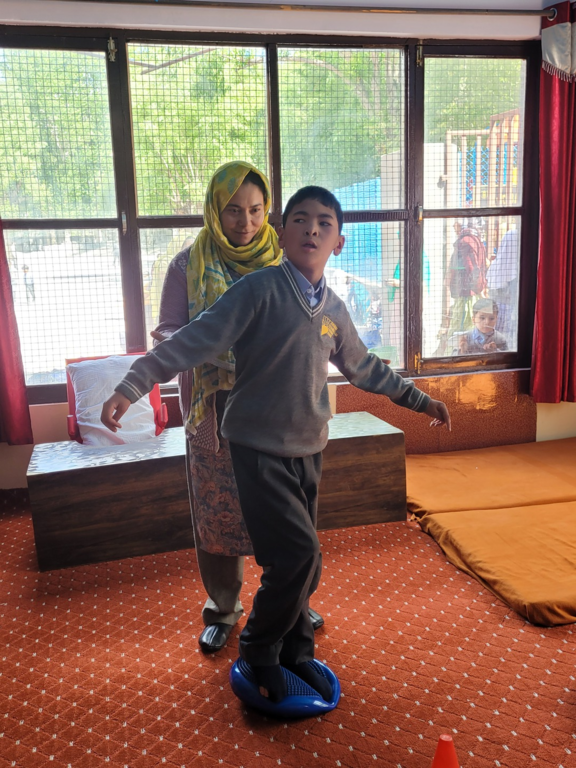
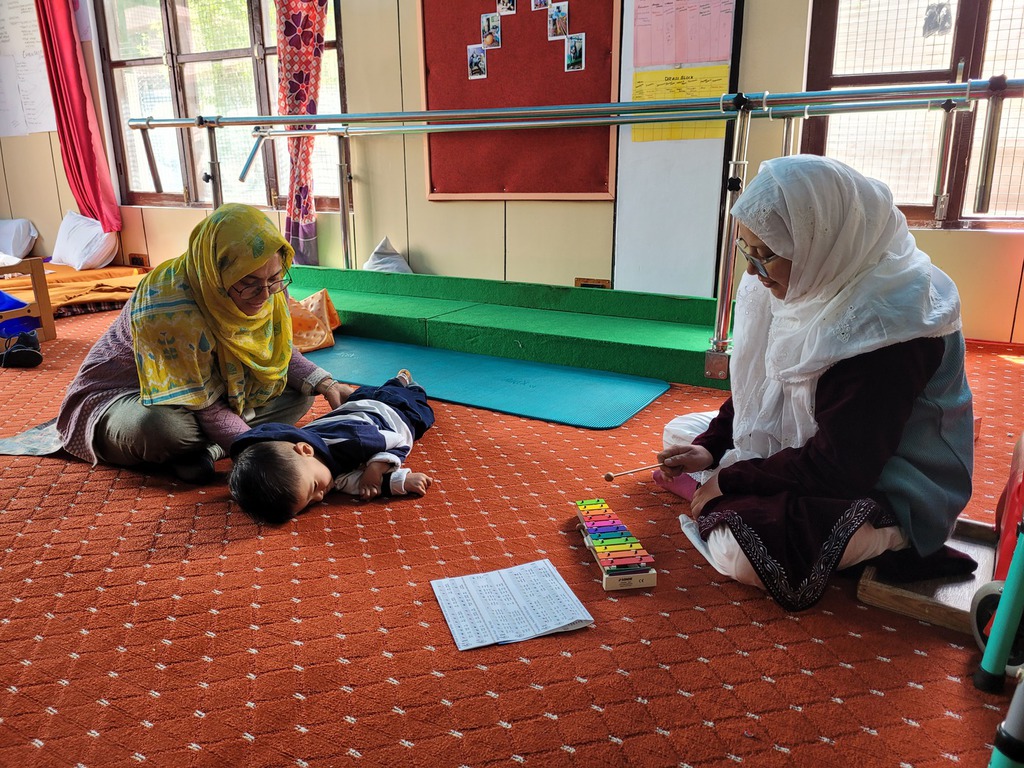
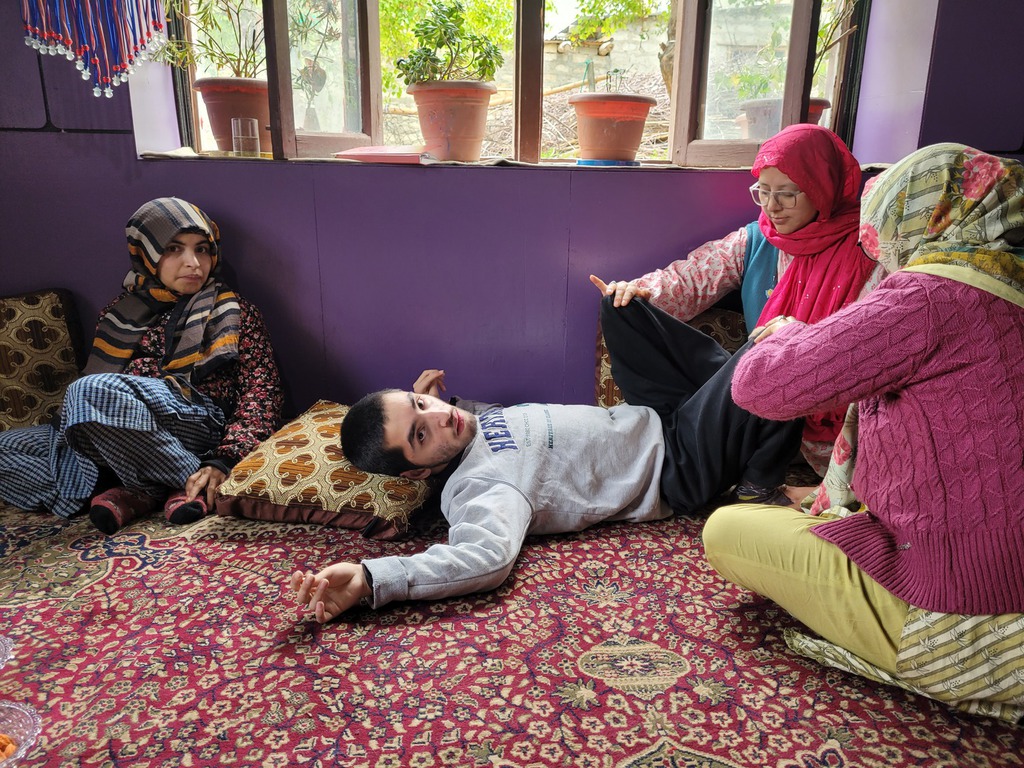
Field trips – home visits to the more remote regions of Ladakh
Since 2020, for various reasons, we have not been able to carry out home visits to our patients living in the more remote areas of the region. As these patients therefore have no access to support and care, we have decided to resume this programme. Initially, survey trips to the relevant areas are planned in order to assess needs. Therapy plans will then be drawn up, and patients and their families will receive treatment and guidance during quarterly therapy visits.
Thanks to Milena Bender’s expertise and dedication, the surveys will lay a solid foundation for our future work.
..................................................................................................................................
Overall, the trip was a very valuable and wonderful time of exchange, mutual respect and the further development of a vision to enable people with special needs to lead equal and fulfilling lives within society.
To put this into practice and to climb the many steps along this path, we absolutely need your support!
With warm regards
Johanna Klein
Konto-Account:
Ladakh-Hilfe e.V.
IBAN: DE52 7315 0000 0008 1879 81
BIC: BYLADEM1MLM
Sparkasse
Schwaben-Bodensee
Kontakt-Contact:
Ladakh-Hilfe e.V.
Peterbergstraße 23
79117 Freiburg,
Germany
E-Mail:
info@ladakh-hilfe.de
 Druckversion